 Getaway Pines
The National Park Packing Checklist (One Page, Printable)
By Travel Planner & Researcher · Updated October 15, 2026
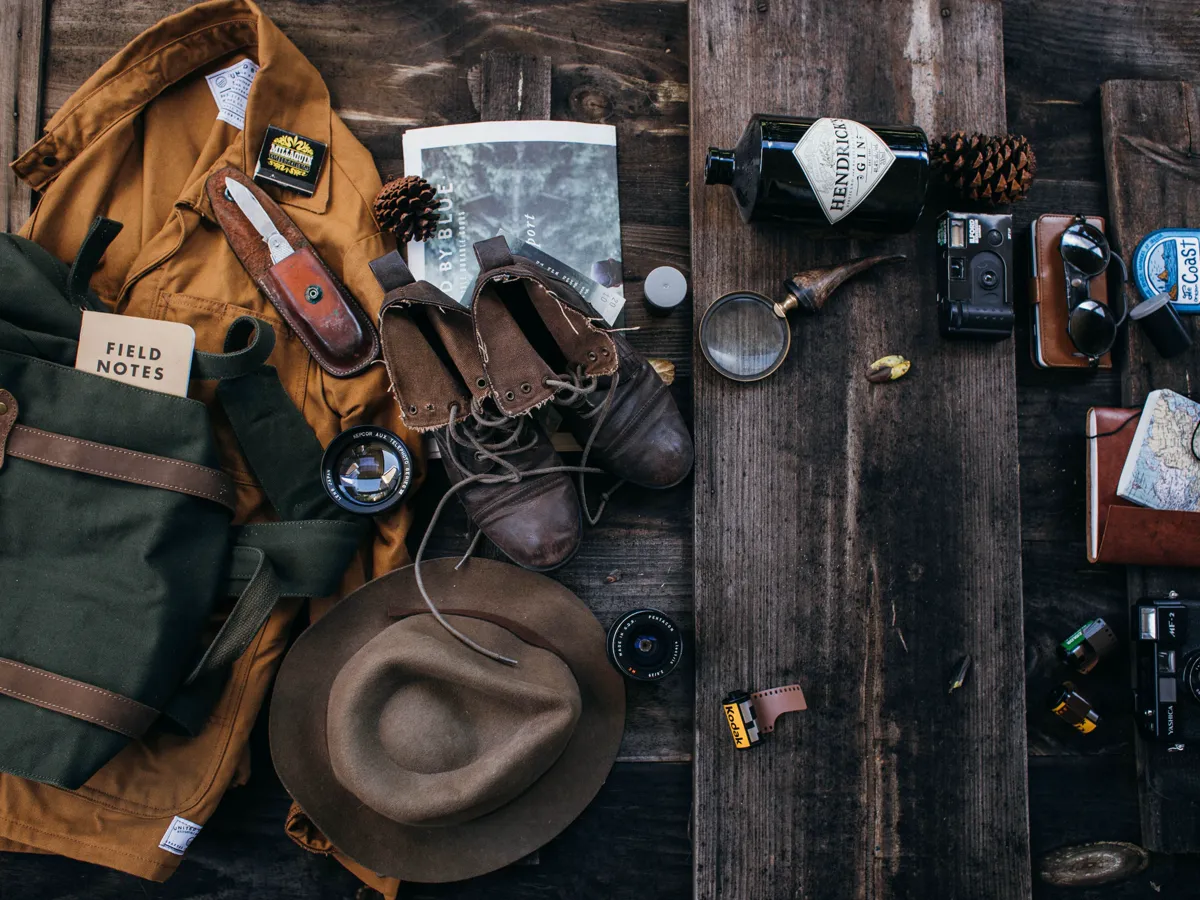
Most park trips go wrong for boring reasons: cold at sunrise, no water at mile three, a dead phone with the map on it. This checklist is one page, built for the sunrise hours rather than the midday ones, and it fits in a jacket pocket when you fold it. Print it, check it, put it in the door pocket of the car.
The stops, in order
1. Layers for the first hour
- Photo spot:
- The sunrise temperature is routinely 20 degrees below the afternoon high, and the overlooks are windy. One warm layer and one shell beats one thick coat, because you will take it off.
- Eat:
- Nothing to plan here — this is the layer section.
- Cost:
- Free. You already own these.
2. Water, more than you think
- Photo spot:
- A liter per two hours of hiking is the working minimum, more in desert parks. Two bottles per person per day is the version that does not leave you rationing at the trailhead.
- Eat:
- Fill before you leave the hotel. Park refill stations are inconsistent.
- Cost:
- Free, once you own the bottles.
3. The three things everyone forgets
- Photo spot:
- A charged battery pack, a paper copy of the trail map, and real shoes instead of sandals. These three account for most of the trips that end early.
- Eat:
- Nothing here.
- Cost:
- Free to low cost. The battery pack is the one worth buying.
4. Sun protection that works at altitude
- Photo spot:
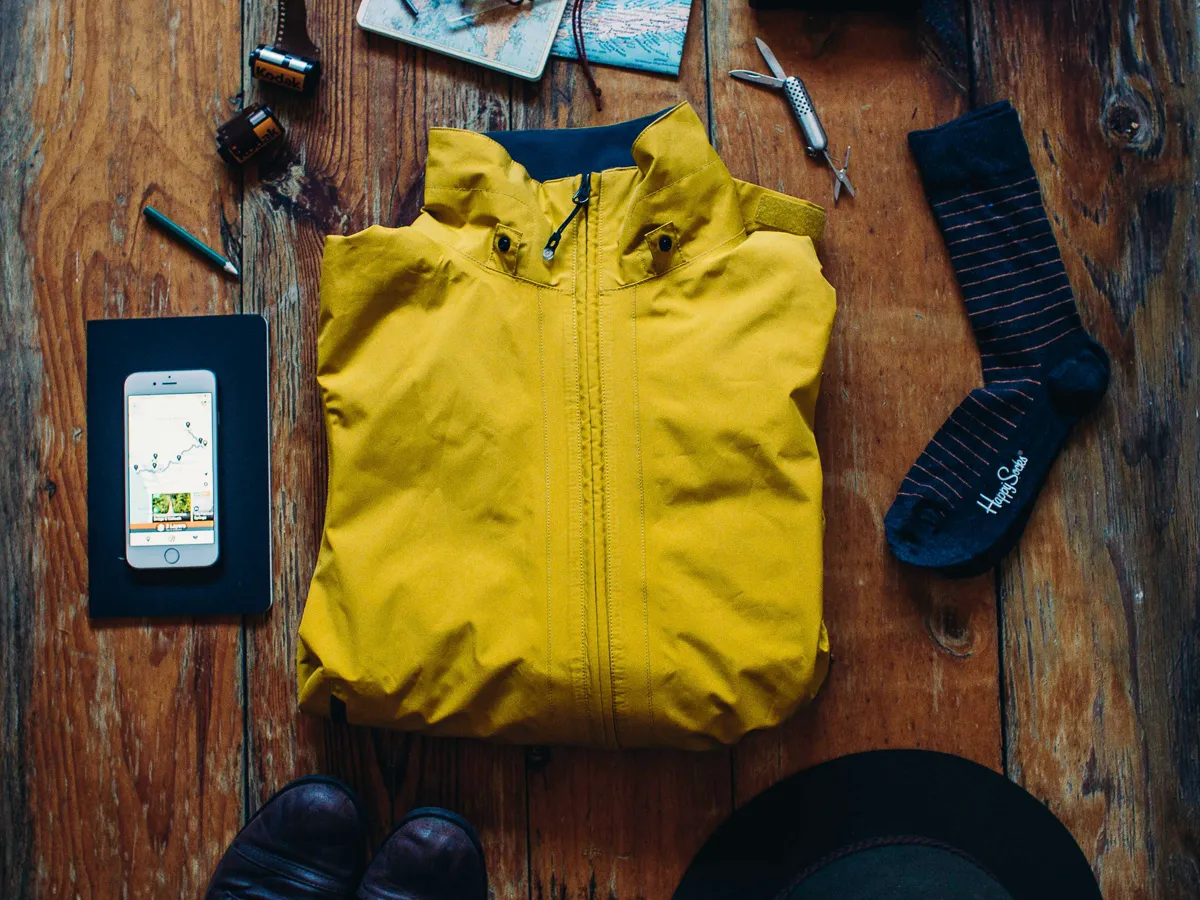
- Sunscreen, a hat with a brim, and sunglasses. High-elevation parks burn faster than people expect, and there is rarely shade at an overlook.
- Eat:
- Nothing here.
- Cost:
- Free, once you own these.
5. A small headlamp
- Photo spot:
- Sunrise shoots start in the dark and end after the light has gone. A headlamp is what lets you pack up a viewpoint without a phone in your teeth.
- Eat:
- Nothing here.
- Cost:
- Low cost, and it is the item most people do not own until they need one.
What it actually looks like
Where this starts
Questions people ask
How much water do I actually need for a park day?
A liter per two hours of hiking is the working minimum, and desert parks need considerably more. Two liters per person per day is the version where you are not rationing on the way back.
What is the one thing to bring for a sunrise shoot?
A headlamp. You will be setting up in the dark and packing up after the light is gone, and doing it with a phone in your mouth is how phones get dropped off overlooks.
Do I need a paper map if I have offline maps on my phone?
Yes, or at least a screenshot. Phones die, and they die faster in cold weather. A paper copy of the trail you are on costs nothing and removes the single most common way a short hike becomes a long one.
What should I leave at home?
Anything you have not used on a trail in the last year. Heavy jeans, cotton socks and a full camera bag you will not open are the three most common things that make a pack heavier without making a trip better.