 Getaway Pines
Blue Ridge Parkway in Fall: Where the Color Peaks, by Week
By Travel Planner & Researcher · Updated October 15, 2026
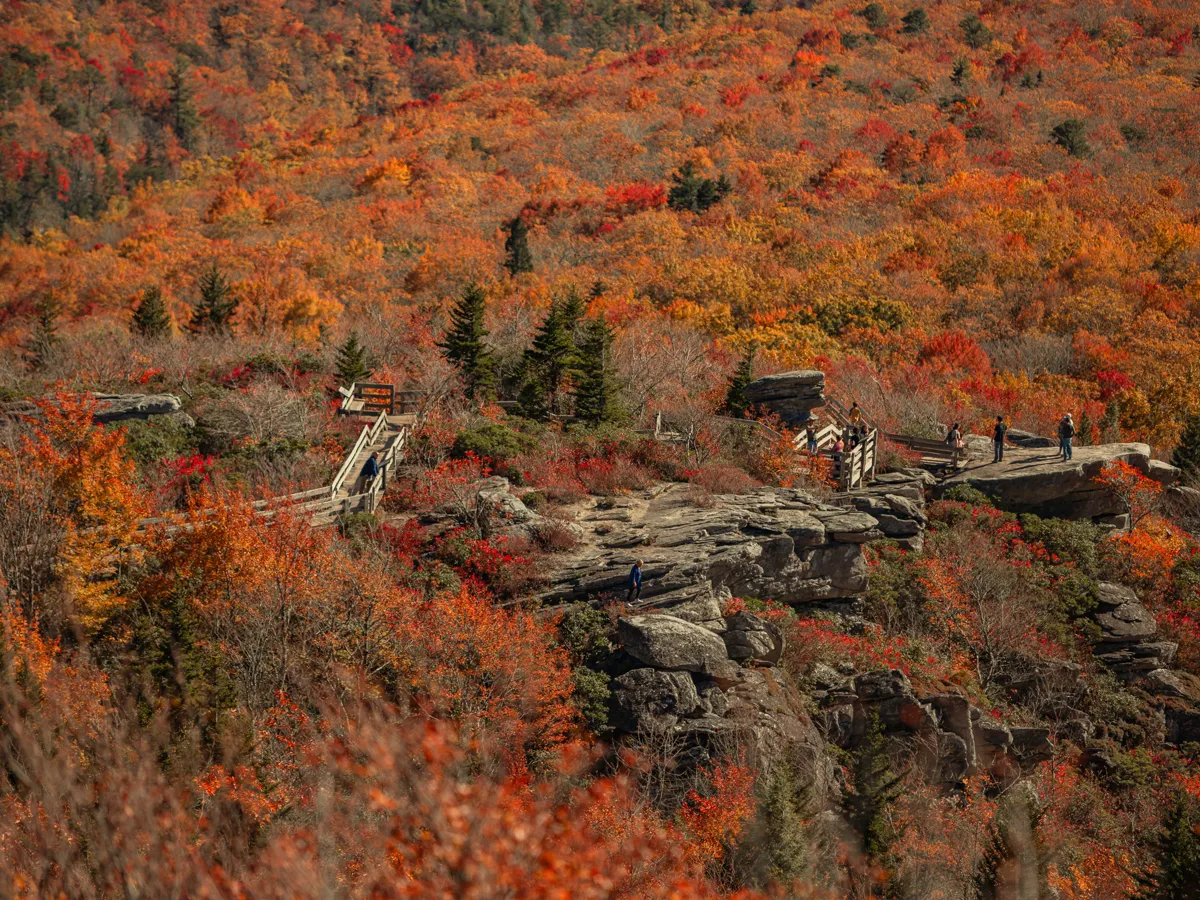
The Parkway runs 469 miles from Virginia to North Carolina, and fall color moves along it from north to south and from high elevation down. That means the same drive gives you completely different color three weeks apart, which is the whole trick to timing it. Below is the order things turn, the overlooks worth stopping for, and a three-day loop that does not double back.
The stops, in order
1. Virginia high country, mileposts 170–216
- Photo spot:
- The elevated stretches above the Piedmont turn first. Shoot north from the overlooks here in the first half of October, when the ridges below are still mostly green and the contrast is the picture.
- Eat:
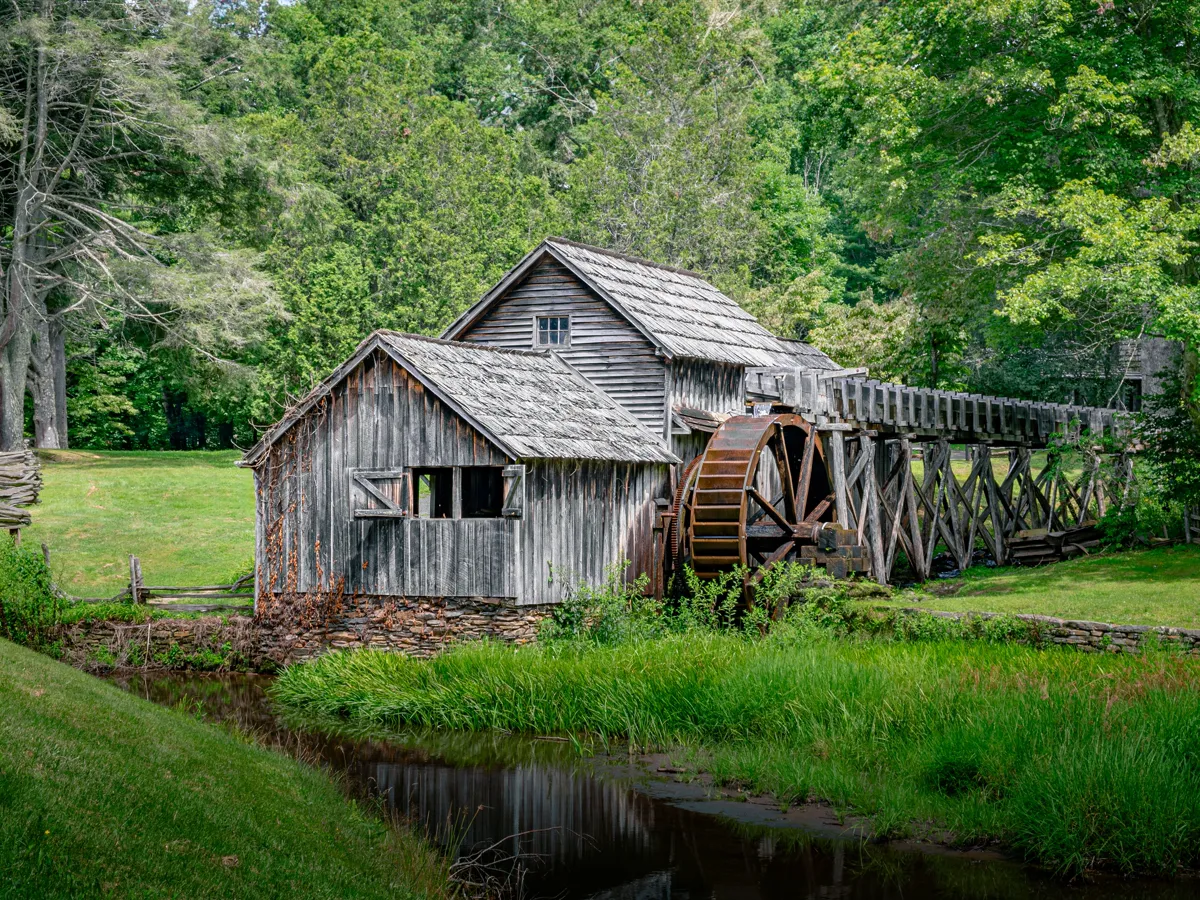
- Mabry Mill at milepost 176 for a stop, and the small towns off the parkway for anything real.
- Cost:
- Free to drive. Individual recreation areas may charge a day-use fee.
- Note:
- This section peaks earliest — typically late September into mid-October.
2. Doughton Park, mileposts 238–248
- Photo spot:
- The long meadow at Basin Creek overlook. Wide, open foreground with the ridges behind, and the color holds later here than further north.
- Eat:
- Blowing Rock or Sparta for a proper meal.
- Cost:
- Free. Campground and picnic fees apply if you use them.
- Note:
- Peaks mid to late October.
3. Linn Cove Viaduct, milepost 304
- Photo spot:
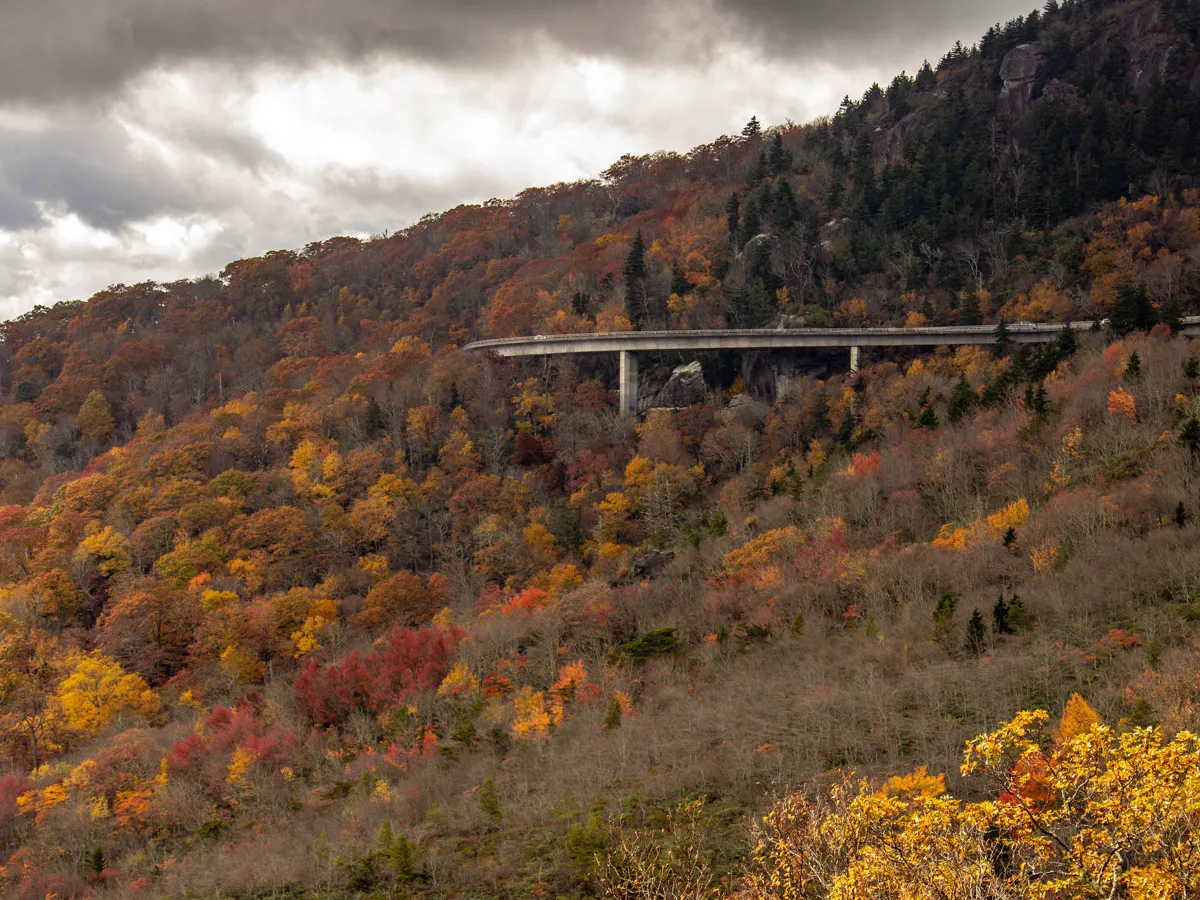
- The viaduct from the overlook below it, shot with the curve leading into the frame. This is the engineered shot of the Parkway, and it works in any season.
- Eat:
- Linville or Banner Elk, both a short drive off the parkway.
- Cost:
- Free. The visitor center at the viaduct has posted hours.
- Note:
- Color here peaks in the second half of October.
4. Grandfather Mountain area, mileposts 294–305
- Photo spot:
- Looking Glass Rock from the overlooks north of the viaduct. The rock face is the subject; the color is the frame around it.
- Eat:
- Linville, ten minutes away.
- Cost:
- Free from the parkway overlooks. Grandfather Mountain itself is a separate paid attraction.
5. Graveyard Fields, milepost 418
- Photo spot:
- The valley floor with the river running through it. Short loop trail, and the second waterfall is the better of the two to shoot.
- Eat:
- Brevard, about 30 minutes south.
- Cost:
- Free, but the parking lot fills by mid-morning on October weekends.
- Note:
- Peaks mid to late October. Trails here have been closed for recovery after storms — check the park service page before you go.
6. Devil's Courthouse, milepost 422
- Photo spot:
- The bare rock ridge against the hardwoods. Short but steep climb to the top, and the view back along the ridge is the shot.
- Eat:
- Brevard or Asheville afterwards.
- Cost:
- Free. Parking is small and on the busy side of the road.
7. Waterrock Knob, milepost 451
- Photo spot:
- The highest stop on the parkway in North Carolina. Shoot west at sunset for the longest views on the whole route.
- Eat:
- Cherokee or Maggie Valley.
- Cost:
- Free.
- Note:
- Peaks late October into early November.
What it actually looks like
Where this starts
Questions people ask
When is peak color on the Blue Ridge Parkway?
It moves. The Virginia high country peaks late September into mid-October, the North Carolina sections around Asheville peak mid to late October, and the highest stops in the south can hold into early November. Driving north to south in late October is the safest single bet.
How long does the whole parkway take?
Roughly 12 hours of driving with no stops. Nobody should do it in one day. Three days, with a base in the middle, is what actually lets you shoot the overlooks at a decent hour.
Are there fees on the parkway?
The parkway itself is free to drive. Individual campgrounds, picnic areas and some adjacent recreation areas charge separate fees, and the neighboring national parks charge their own entrance fees.
What is the one stop I should not skip?
Linn Cove Viaduct. It is the only structure of its kind, it photographs at any hour, and it gives you a subject on the days when the color is flat and grey.